
The Complete Guide to Fitness Technology for Professionals: Build Your Competitive Edge in 2026
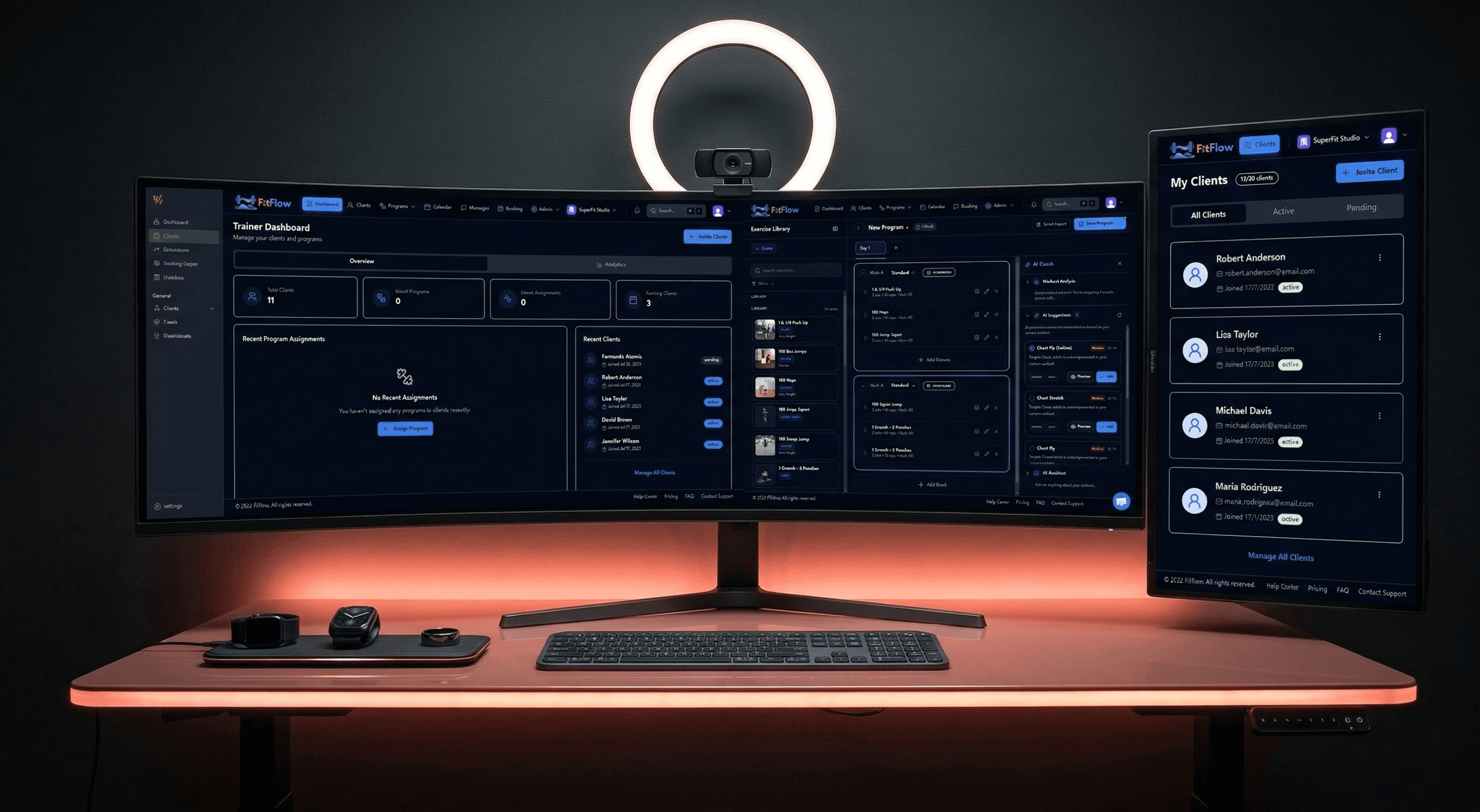
How Strategic Technology Adoption Creates a Lasting Competitive Edge
The definitive resource for personal trainers, gym owners, and fitness entrepreneurs navigating the fitness technology landscape in 2026.
Fitness technology for professionals has shifted from a nice-to-have experiment to a core business requirement. The global fitness software market has reached an estimated $10.5-12 billion and is projected to grow substantially through 2033, while the gym management software segment alone is valued at over $1 billion and climbing. For trainers and gym owners, technology adoption has become the dividing line between businesses that scale and those that stall.
This guide examines the fitness technology ecosystem from a software engineering perspective -- addressing specific platforms, integrations, analytics capabilities, and implementation strategies. Unlike generic fitness business advice or equipment-focused reviews, this resource delivers the technical analysis you need to make informed decisions about your digital infrastructure.
What the data actually shows:
Metric | What We Found |
|---|---|
Client capacity | Trainers using integrated platforms serve significantly more clients than manual methods |
Retention impact | Dedicated software correlates with measurable retention improvements |
AI coaching ROI | AI-enhanced services can deliver strong financial returns (up to 221% ROI reported) |
Mobile adoption | The vast majority of trainers have adopted mobile fitness apps in recent years |
Hybrid models | Hybrid training correlates with higher membership renewal rates |
Admin time savings | Comprehensive automation can reduce admin from 15+ hours to under 4 hours weekly |
1. The Technology Transformation of Fitness
How We Got Here (2015-2026)
The fitness industry's digital transformation did not happen gradually. It happened in distinct phases, each one raising the floor for what clients and trainers expect from their tools.
Pre-2020: Most trainers relied on spreadsheets, paper-based tracking, and disconnected tools. Technology was optional -- a convenience for early adopters rather than a business necessity. The typical trainer managed 10-15 clients per week with manual methods, and that was considered normal.
2020-2022 (The COVID Catalyst): The pandemic compressed roughly ten years of digital adoption into eighteen months. The online fitness sector achieved projected annual growth rates around 33% between 2021-2028 -- the highest of all fitness sectors, according to industry research. Trainers who had previously dismissed online tools scrambled to implement virtual training platforms overnight.
2023-2026 (Maturation Phase): Technology adoption shifted from survival necessity to strategic competitive advantage. The market consolidated around major platforms while AI capabilities emerged as the next differentiator. Cloud-based solutions now represent the majority of deployments, and the focus has shifted from "remote delivery" to "intelligence and automation."
Why Technology Separates Growing Businesses from Stagnant Ones
The evidence is consistent: technology-enabled fitness businesses outperform their analog counterparts across every meaningful metric.
What the data shows: Personal trainers using dedicated software report measurable increases in client retention compared to those who do not. This single metric translates to higher lifetime customer value and reduced marketing costs -- the two levers that matter most for sustainable growth.
Consider the economics:
AI-assisted trainers handle 30% more clients while maintaining service quality
Software users save 3.5+ hours per week on administrative tasks
Online-focused trainers tend to earn more than their in-person-only peers
Over 60% of trainers now plan to offer hybrid training models
The Technology Gap Is Real
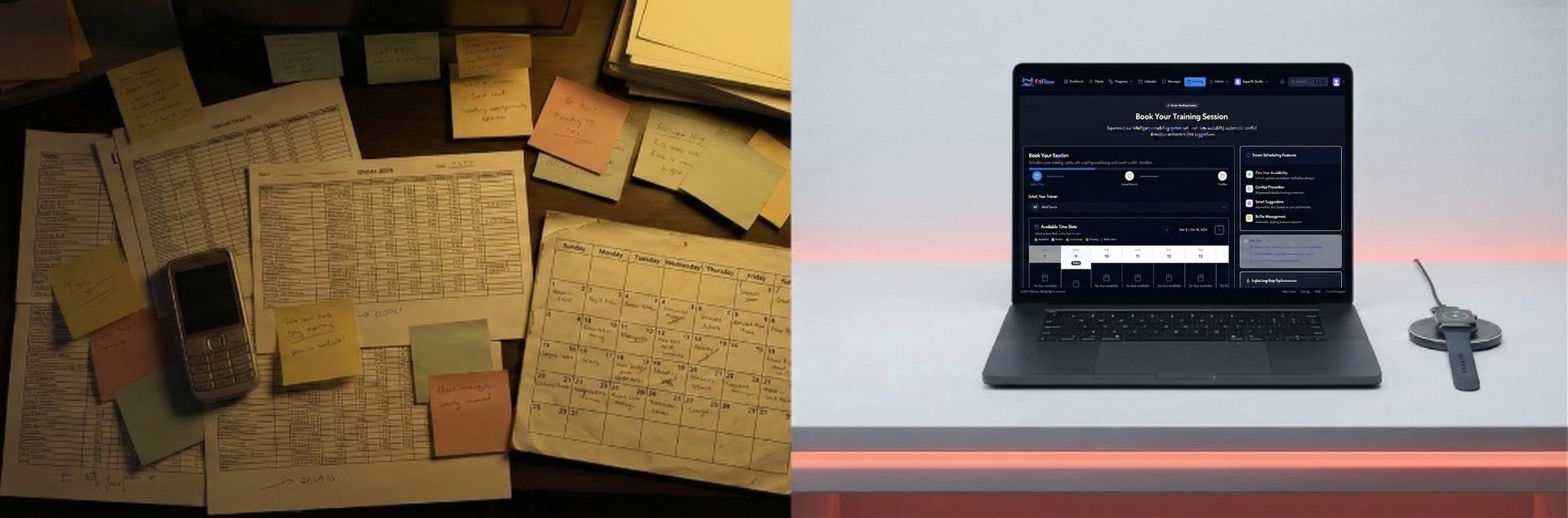
A distinct split has emerged between "analog-first operators" capped at 20-30 clients and "tech-forward practices" managing 50-100+ clients with better retention and more sustainable work schedules.
Despite clear benefits, real adoption barriers persist:
40% of gym owners cite high costs as a key barrier
40% of trainers report difficulties integrating new software into existing workflows
35% experience learning curve challenges
25% face client resistance to new technology
This guide addresses these barriers directly, providing frameworks for evaluation, implementation, and ROI measurement that help you treat technology as a strategic investment rather than an intimidating expense.
2. The Fitness Software Landscape
Software Categories Every Fitness Professional Needs to Understand
Modern fitness businesses require technology across multiple functional areas. Here is how the landscape breaks down:
Category | Purpose | Key Players |
|---|---|---|
Program Management | Workout design, delivery, tracking | FitFlow, Trainerize, TrainHeroic, TrueCoach, PT Distinction, My PT Hub |
Client Relationship Management | Lead tracking, client communication | Club OS, Mindbody, WellnessLiving, ActiveCampaign |
Scheduling & Booking | Appointment management, calendar sync | Acuity, Calendly, Mindbody, integrated solutions |
Payment Processing | Billing, subscriptions, invoicing | Stripe, Square, platform-integrated solutions |
Communication | Messaging, video, check-ins | In-platform messaging, Zoom, Voxer |
Marketing Automation | Email campaigns, lead nurturing | Mailchimp, ActiveCampaign, ConvertKit |
Analytics & Reporting | Business intelligence, client insights | Platform-native dashboards, custom solutions |
Market Overview: Who Are the Major Players?
The fitness software market features both integrated platforms (all-in-one solutions) and best-of-breed point solutions (specialized tools for specific functions). Understanding this distinction matters because it shapes your entire technology strategy.
Integrated Platform Leaders:
Mindbody: Enterprise-focused, starting at $169/month, serving large studios and chains
ABC Glofox: Mid-market, starting at $100-190/month, strong mobile experience
Virtuagym: Global reach serving thousands of health clubs and tens of thousands of trainers
WellnessLiving: Strong analytics with consistently high marks for scheduling capabilities
Personal Training-Focused Platforms:
PT Distinction: Consistently high ratings across review platforms, trusted by thousands of training businesses
ABC Trainerize: Used by over 400,000 fitness professionals across more than 30,000 businesses
TrueCoach: Strong payment automation, individual coach focus
My PT Hub: Large coach community with 7,500+ exercise video library
Integrated Platforms vs. Best-of-Breed: An Honest Assessment
Integrated Platform Advantages:
Single vendor relationship and login
Native data flow between modules
Simplified billing and support
Consistent user experience
Best-of-Breed Advantages:
Strongest possible functionality per category
Flexibility to swap components as needs change
Often lower initial costs
Specialized depth in key areas
From the field: Most successful fitness businesses start with a strong program management platform as their core, then integrate specialized tools for payments, marketing, and scheduling based on specific needs. Trying to adopt everything at once is the most common mistake we see.
ROI Framework for Software Investments
Business Stage | Recommended Investment | Expected ROI Timeline |
|---|---|---|
Solo Trainer (1-15 clients) | $20-60/month | 2-3 months |
Growing Practice (15-50 clients) | $60-150/month | 1-2 months |
Small Gym/Studio | $150-500/month | 3-6 months |
Multi-Location Facility | $500-2,000+/month | 6-12 months |
3. Program Management Platforms: A Technical Deep Dive
What Actually Defines Effective Program Management Software
The core of any fitness technology stack is the program management platform -- where workouts are designed, delivered, and tracked. When evaluating platforms, focus on these dimensions:
Non-Negotiable Features:
Exercise Library: Extensive video database (1,000+ minimum) with custom upload capability
Program Builder: Intuitive interface for creating periodized programs with templates
Client App Experience: Mobile-first design with offline capabilities
Progress Tracking: Automated logging of sets, reps, and weights with visual progress displays
Communication: In-app messaging, check-ins, and notification systems
Analytics: Individual and aggregate data for program optimization
Platform Comparison
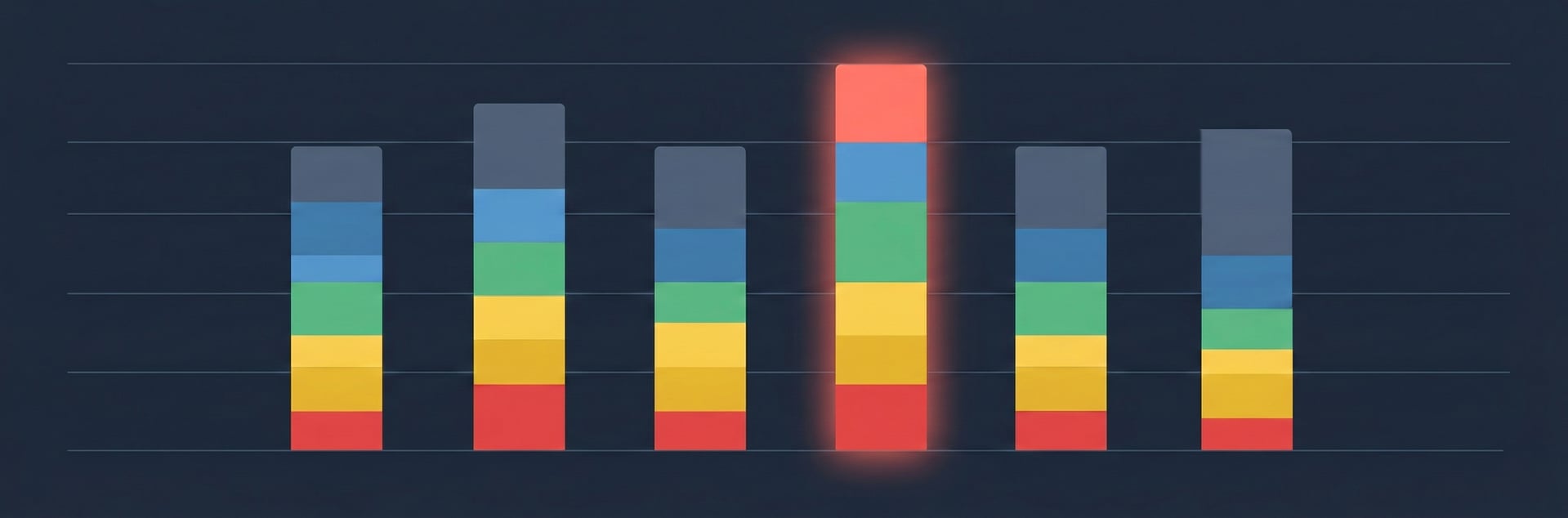
FitFlow: The Data-First Approach
Disclosure: FitFlow is our product. This comparison is based on publicly available information as of March 2026.
Positioning: FitFlow addresses what we call the "Intelligence Gap." While many competitors focus on delivering workouts, FitFlow focuses on optimizing them through data analysis.
Where FitFlow excels:
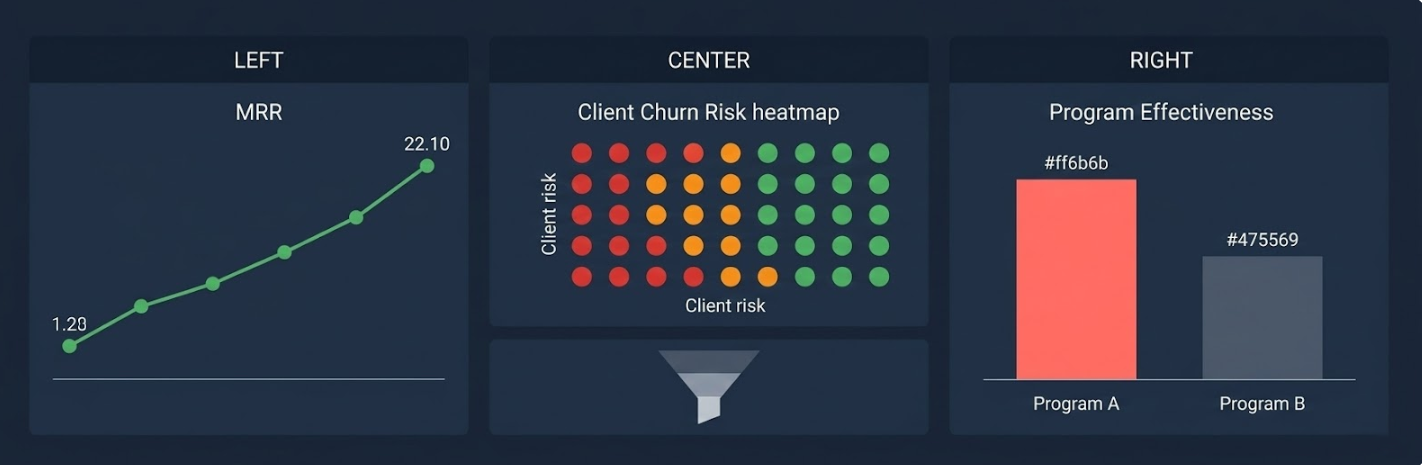
Deep Analytics Engine: Aggregates data across entire client rosters to show programming effectiveness (e.g., "Clients improved squat strength 15% on Program A vs. 5% on Program B")
Advanced Wearable Integration: Native integration with HRV and sleep data for autoregulation support
Business Intelligence: Connects program data with retention data to show which programs drive highest lifetime value
Programming Effectiveness Analytics: Insights that platforms focused solely on workout delivery cannot provide
Best for: Evidence-based coaches, hybrid trainers scaling past 50 clients, and professionals who want granular data visibility to drive coaching decisions.
PT Distinction
Pricing: $19.90-89.90/month (3-50 clients), plus $1.60/additional client Rating: 4.9/5 across Capterra, GetApp, G2 Best For: Experienced trainers wanting comprehensive features without hidden costs
Where it excels:
AI-powered program generation creates workouts in approximately 20 seconds
Custom-branded iOS and Android apps included at all tiers
Complete nutrition coaching with meal planning
Automation workflows reduce repetitive tasks
No upsells -- all features included in packages
Trade-offs:
Steeper learning curve due to feature depth
No Google Calendar integration
ABC Trainerize
Pricing: $0-350/month, plus $99 branded app setup fee Rating: 4.5/5 on G2 Best For: One-on-one fitness, nutrition, and habit coaching
Where it excels:
360-degree member experience combining fitness, nutrition, and habits
Strong integration ecosystem with major fitness apps
Automation features for client engagement
Used by recognized brands (Gold's Gym, Life Time, YMCA)
Trade-offs:
Custom branded app requires Studio plan ($250/month)
Interface can feel cluttered with many clicks required
Reporting features for business analytics are more limited than expected
TrainHeroic
Pricing: $45-150/month Rating: 4.6/5 on G2 Best For: Teams, groups, and structured strength programming
Where it excels:
Extensive workout library with one-click program insertion
Strong tooling for managing multiple groups and teams
Pre- and post-session readiness tracking
Marketplace for selling programs
Trade-offs:
No nutrition tracking
Less suited for individual client relationships
Limited messaging capabilities
TrueCoach
Pricing: Varies by client count Rating: 4.7/5 on Capterra Best For: Individual client management and remote coaching
Where it excels:
Streamlined, user-friendly interface designed for simplicity
Fast programming speed with metrics sidebar
Automated payment processing and invoicing
No upsells -- features are not gated behind paywalls
Trade-offs:
No custom branded app option
Limited nutrition tracking (relies on MyFitnessPal integration)
Limited community and group features
My PT Hub
Pricing: $48-55/month (unlimited clients) Rating: 4.5/5 on Capterra (2,500+ reviews) Best For: Coaches wanting unlimited scaling without per-client fees
Where it excels:
7,500+ HD exercise videos
650,000+ food item nutrition database
Unlimited clients without additional charges
Strong combination of in-person and online management
Trade-offs:
Higher rates of bugs and glitches reported by users
No Google Calendar integration
Steeper learning curve due to feature volume
Everfit
Pricing: Modular pricing Rating: 4.8/5 (Mobile App) Best For: Online coaches running challenges and courses
Where it excels:
Modern, polished UI/UX -- widely considered the best interface design
Powerful "Autoflow" automation for drip content delivery
Built-in community forums for group engagement
Trade-offs:
Modular pricing means costs can escalate quickly
Base price is low, but add-ons add up
Decision Framework: How to Choose
If You Need... | Consider... |
|---|---|
Maximum data insights and retention modeling | FitFlow |
Maximum features, all-inclusive pricing | PT Distinction |
Nutrition + habits + fitness in one platform | ABC Trainerize |
Team and group programming focus | TrainHeroic |
Simplest individual client workflow | TrueCoach |
Unlimited client scaling on a budget | My PT Hub |
Automation and modern UX | Everfit |
Enterprise gym management | Mindbody, ABC Glofox |
Real-World Scaling: From 15 to 60+ Clients
Sarah, Independent Strength Coach: Adopted Everfit to launch a hybrid coaching model. She used Autoflow to automate onboarding and weekly check-ins, which removed roughly 7 hours of repetitive weekly work.
Her results over six months:
Client count: Increased from 15 to 60
Admin time: Reduced from 10 hours to 3 hours per week
Revenue: Increased by 210%
The pattern is consistent across case studies we have reviewed: trainers who commit to a platform and invest time mastering its capabilities reach client capacity levels that are simply not possible with manual methods. Individual results vary based on market, niche, and execution.
4. Client Tracking and Progress Monitoring
What to Track for Client Success
Effective tracking covers multiple dimensions. Here is a framework for prioritizing what matters:
Performance Metrics:
Workout completion rates (adherence)
Weight and resistance progression over time
Volume load (sets x reps x weight)
Personal records and milestones
Body Composition:
Weight trends (not single data points)
Body measurements (circumferences)
Progress photos with side-by-side comparisons
Body fat percentage (where available)
Client-Reported Metrics:
Energy levels and sleep quality
Stress and recovery scores (RPE, HRV)
Adherence to nutrition guidelines
Subjective effort ratings
How Technology Transforms Tracking
Modern platforms automate much of what previously required tedious manual entry:
Tracking Type | Manual Effort | With Software | Time Savings |
|---|---|---|---|
Workout logging | 15-20 min per client per week | 2-3 min per client per week | ~85% |
Progress photos | Scattered across messages | Centralized with comparisons | ~90% |
Check-in management | Email and text threads | Automated scheduling | ~75% |
Progress reports | Manual spreadsheet compilation | Auto-generated dashboards | ~95% |
Why Tracking Drives Retention
The psychology is straightforward: clients who see measurable progress stay longer. Technology makes this visibility automatic rather than requiring trainers to manually compile and present data every week.
Exception-Based Management: A trainer managing 50 clients cannot review every workout log daily. Modern dashboards use traffic light logic:
Red: Missed 2+ consecutive workouts OR compliance below 70%
Yellow: Missed 1 workout OR compliance 70-85%
Green: All targets met
This approach makes 100-client management feasible -- trainers focus their personal outreach on "red" profiles where intervention matters most.
5. Data Analytics and Business Intelligence
Why Data Separates Good Coaches from Great Ones
Most trainers operate on intuition -- but the most effective ones build on data. Analytics transform subjective feelings about "what's working" into objective evidence. This is also where FitFlow's approach as a software company creates a distinct advantage.
Key Metrics Worth Tracking
Client-Level Analytics:
Individual adherence patterns
Progress velocity (are they improving fast enough relative to their goals?)
Risk indicators (declining engagement, missed sessions)
Program effectiveness scores
Business-Level Analytics:
Monthly recurring revenue (MRR)
Client churn rate (monthly and quarterly)
Average revenue per user (ARPU)
Client acquisition cost (CAC)
Lifetime value (LTV) to CAC ratio
Predictive Analytics: Catching At-Risk Clients Before They Cancel
Advanced platforms now analyze behavioral patterns to identify members likely to cancel before they actually do. Mindbody, for example, has introduced AI-powered client risk prediction features that use pattern recognition across engagement data.
These systems analyze:
Declining login frequency
Reduced workout logging
Delayed responses to messages
Contract end dates approaching
The output is typically a risk score for each client, enabling proactive intervention before cancellation becomes a decision.
Case Study: Data-Driven Program Optimization
Context: An online coaching team with 200 clients used aggregated data analysis to review their standard onboarding program.
What the data revealed: A 60% drop-off rate in Week 3, correlated specifically with a high-volume leg day that had an RPE average of 9.5 -- far too intense for beginners.
What they changed: Adjusted programming intensity in Week 3, reducing volume by 20%.
Result: Week 3 drop-off rate fell to 15%, significantly improving lifetime value of new sign-ups. Without aggregated analytics, this pattern -- a "silent killer" of retention -- would have gone undetected.
Which Platforms Provide the Strongest Analytics
Platform | Analytics Strength | Notable Capabilities |
|---|---|---|
FitFlow | Programming effectiveness | Aggregate insights across client roster, retention modeling |
WellnessLiving | Gym-level analytics | Real-time attendance, revenue, retention dashboards |
PT Distinction | Client progress analytics | Activity feeds, visual progress tracking |
6. Wearable Technology Integration
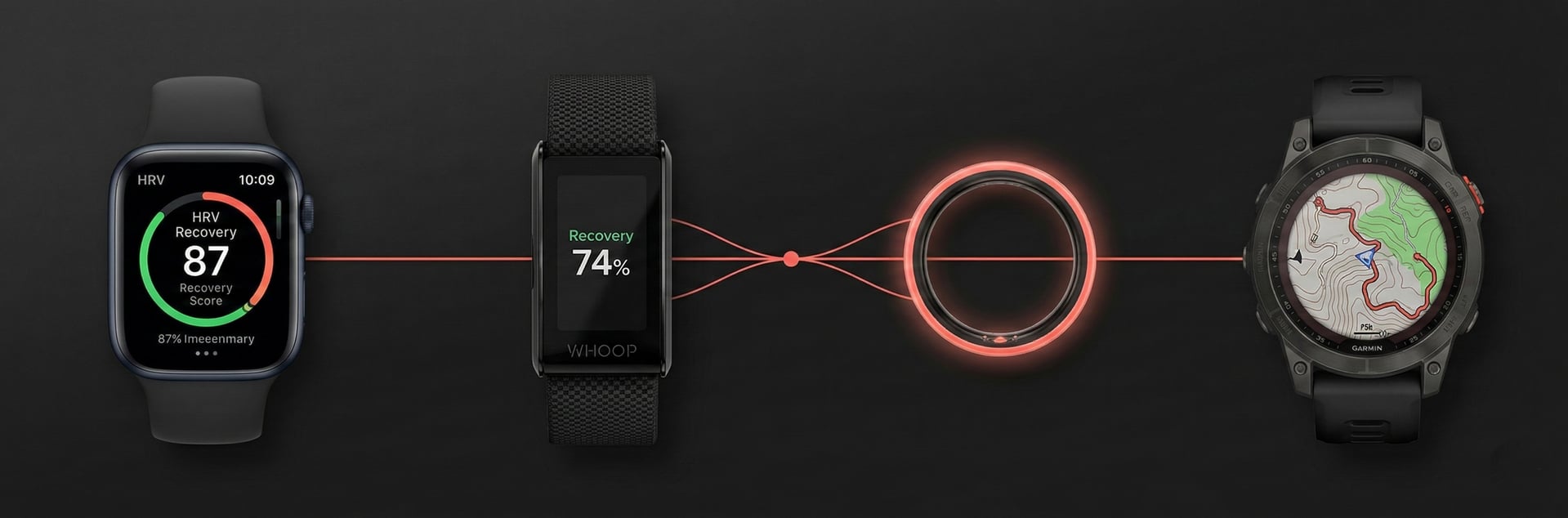
The Wearable Landscape in 2026
Client wearable adoption has grown substantially in recent years, creating both opportunity and integration complexity for trainers.
Market Leaders:
Apple Watch: Most popular smartwatch, comprehensive health tracking
Fitbit: Strong sleep and activity tracking, large user base
WHOOP: Serious athlete focus, Recovery and Strain scoring
Garmin: Endurance athlete preference, GPS and outdoor sport tracking
Oura Ring: Sleep and recovery specialist
What Wearable Data Means for Coaching
Data Type | Trainer Value | Actionable Insights |
|---|---|---|
Heart Rate | Training intensity validation | Zone-based programming adjustments |
HRV | Recovery status | Load management, deload timing |
Sleep | Recovery quality | Program modifications, lifestyle coaching |
Steps/Activity | Daily movement patterns | NEAT optimization, activity targets |
Workout Detection | Automatic exercise logging | Reduced client logging burden |
Turning Data Into Better Coaching Decisions
Access to wearable data is only valuable when paired with interpretation. The trainer's job is answering "So what?" for the client.
HRV Application: If a client's HRV drops 20% below baseline for two consecutive days, consider reducing training intensity or swapping HIIT for Zone 2 cardio. This helps prevent overtraining and illness before the client even notices symptoms.
Sleep Application: A client reporting low motivation and poor diet adherence often has an unrecognized sleep deficit. Wearable data lets you address the root cause: "Your deep sleep is averaging only 30 minutes this week. Let's focus on your pre-bed routine before we adjust your nutrition plan."
Platform Integration With Wearables
Most major platforms offer some level of wearable integration:
Apple Health connects with Trainerize, TrueCoach, My PT Hub
Fitbit integrates with Mindbody, Trainerize
WHOOP exports to Apple Health for secondary platform access
MyFitnessPal (nutrition) syncs with most training platforms
FitFlow's approach: Building direct API integrations with major wearables (bypassing aggregators where possible) provides better data fidelity and faster sync speed. This is a technical advantage that matters more as real-time coaching features become standard.
Where Wearable Integration Is Heading
Expect wearables to become more capable and more integrated:
Expanded Biometrics: Blood pressure monitoring and continuous glucose monitoring are moving toward mainstream adoption
Real-Time Alerts: Platform alerts when a client's heart rate or recovery data indicate concern
AI-Assisted Coaching: Automated suggestions based on recovery data, reducing manual review time
Better Accuracy: Improved rep counting and movement detection via motion sensors
Interoperability: Movement toward universal standards for seamless cross-platform data sharing
7. Automation for Business Efficiency
Why Automation Is the Biggest Lever for Scalability
The math is straightforward: trainers have 168 hours per week. Every hour spent on administration is an hour not spent training clients or growing the business.
Trainers who implement comprehensive automation routinely reduce admin time from 16+ hours per week to under 2 hours -- freeing significant time for revenue-generating activities.
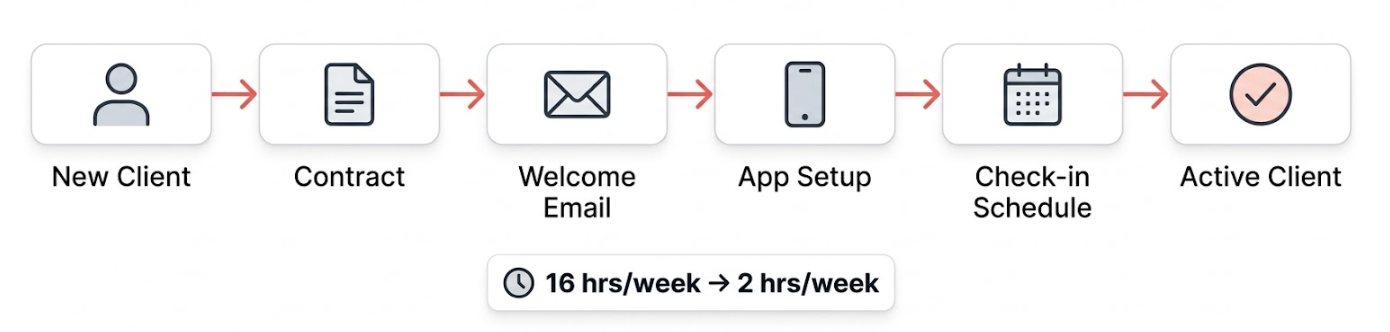
One survey found coaches were spending 30-45 minutes of admin for every 45-minute session -- essentially doubling their actual workload on non-coaching tasks. That is not sustainable, and it is fixable.
What Can (and Should) Be Automated
Task | Manual Time | Automated Time | Annual Hours Saved |
|---|---|---|---|
Session scheduling | 5 hrs/week | 30 min/week | ~234 hours |
Payment collection | 3 hrs/week | 15 min/week | ~143 hours |
Check-in reminders | 2 hrs/week | 0 min/week | ~104 hours |
Program delivery | 4 hrs/week | 1 hr/week | ~156 hours |
Progress report generation | 2 hrs/week | 15 min/week | ~91 hours |
Total | 16 hrs/week | 2 hrs/week | ~728 hours/year |
High-Value Automation Candidates:
Scheduling: Online booking with automatic calendar sync and automated reminders
Payments: Recurring subscription billing with failed payment recovery sequences
Client Onboarding: Welcome sequences, intake forms, app access delivery
Routine Communications: Check-in reminders, milestone messages, re-engagement campaigns
Program Delivery: Drip-fed content, automatic plan progression
Marketing: Email funnels and lead nurturing sequences
Balancing Automation with Genuine Connection
The goal is not to remove human connection. The goal is to automate administrative overhead so human connection can flourish where it matters.
Automate: Reminders, billing, scheduling logistics, standard check-in prompts Keep personal: Program adjustments, encouragement messages, milestone celebrations, problem-solving conversations
Practical advice: Start by automating the task you dislike most. Success with one automation builds confidence and creates momentum for expanding the system.
Case Study: From Admin Overload to Revenue Growth
Sarah, Personal Trainer: After implementing scheduling and payment automation plus Mailchimp for automated emails:
Clients now book and reschedule themselves via calendar link with automatic confirmations
Result: Virtually zero no-shows, roughly 2 hours of messaging time reclaimed weekly
Auto-billing charges monthly clients on renewal date
Result: 30 minutes reviewing finances instead of 8+ hours
8-week email sequence delivers nutrition tips automatically
Result: Clients appreciate the "weekly emails" that were actually written months in advance
Bottom line: Admin reduced to 3 hours weekly. She used the freed time to take on 4 additional sessions at $75 each, generating approximately $1,200 more per month.
Individual results vary. Sarah's experience is representative of patterns we see across similar implementations, but your outcomes will depend on your specific business context and execution.
8. AI and Machine Learning in Fitness
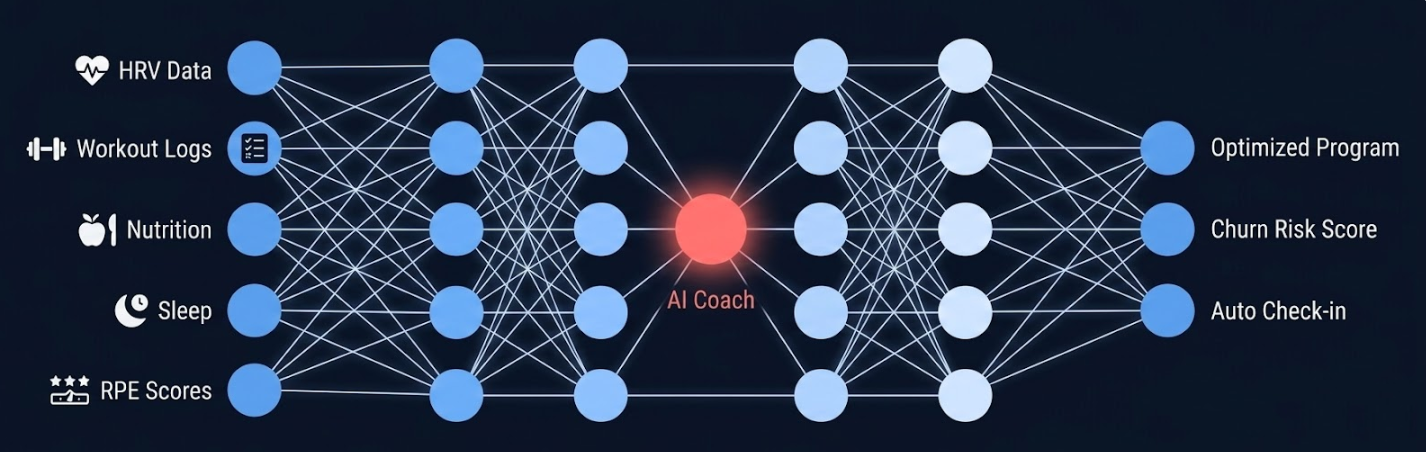
Where AI Is Actually Useful Today
AI in fitness has moved beyond hype into practical applications. Here is what is working right now:
Program Generation:
PT Distinction's AI creates customized programs in approximately 20 seconds
FitnessAI has been trained on over 5.9 million logged workouts to optimize sets, reps, and weights
Virtuagym launched its MAX AI Coach tool to generate personalized workout plans
Form Analysis:
Computer vision monitors movement patterns (apps like Coach's Eye, Tempo)
Real-time feedback through smartphone cameras
Currently more effective for compound movements (squats, pushups) than complex multi-joint exercises
Business Automation:
AI-powered scheduling optimization
Predictive analytics for churn prevention
Automated content generation for emails and social posts
Chatbot interactions for common client queries
Will AI Replace Trainers? No. Here Is Why.
This question comes up constantly, and the answer has not changed: AI enhances human coaching; it does not replace it.
Where AI adds clear value:
Automating routine program adjustments based on logged data
Identifying patterns across large client datasets that humans would miss
Handling initial client intake and questionnaires
Generating first-draft programs for coach refinement
Where AI falls short -- and will for the foreseeable future:
Complex goal-setting conversations that require empathy
Motivation during genuinely difficult personal periods
Adapting coaching to life circumstances and stress that data cannot capture
Building the accountability relationships that keep clients coming back
The best analogy: autopilot in aviation. Autopilot handles the routine flight, but pilots are essential for judgment calls -- especially when something unexpected happens. The same logic applies to coaching.
Limitations Worth Understanding
Quality and Safety: AI-generated workouts may not properly account for injury history or subtle form issues that an experienced coach would catch
The Empathy Gap: AI cannot empathize with a client dealing with grief, body image issues, or major life transitions
Data Privacy: Uploading client health data into public large language models raises HIPAA and GDPR concerns that are not yet fully resolved
Confidence Without Accuracy: AI systems can produce confident-sounding recommendations that contain errors -- always verify
How FitFlow Approaches AI
FitFlow uses AI to augment coaches, not to sideline them:
Machine learning insights on programming effectiveness across client populations
AI-assisted check-in analysis that flags sentiment changes
Automated program adjustments that require coach approval before deployment
24/7 AI chat for routine client questions, with coach monitoring and override capability
The philosophy: AI handles the data crunching so coaches can focus on the human work that actually drives results. We are building tools, not replacements.
9. Technology Adoption Strategies
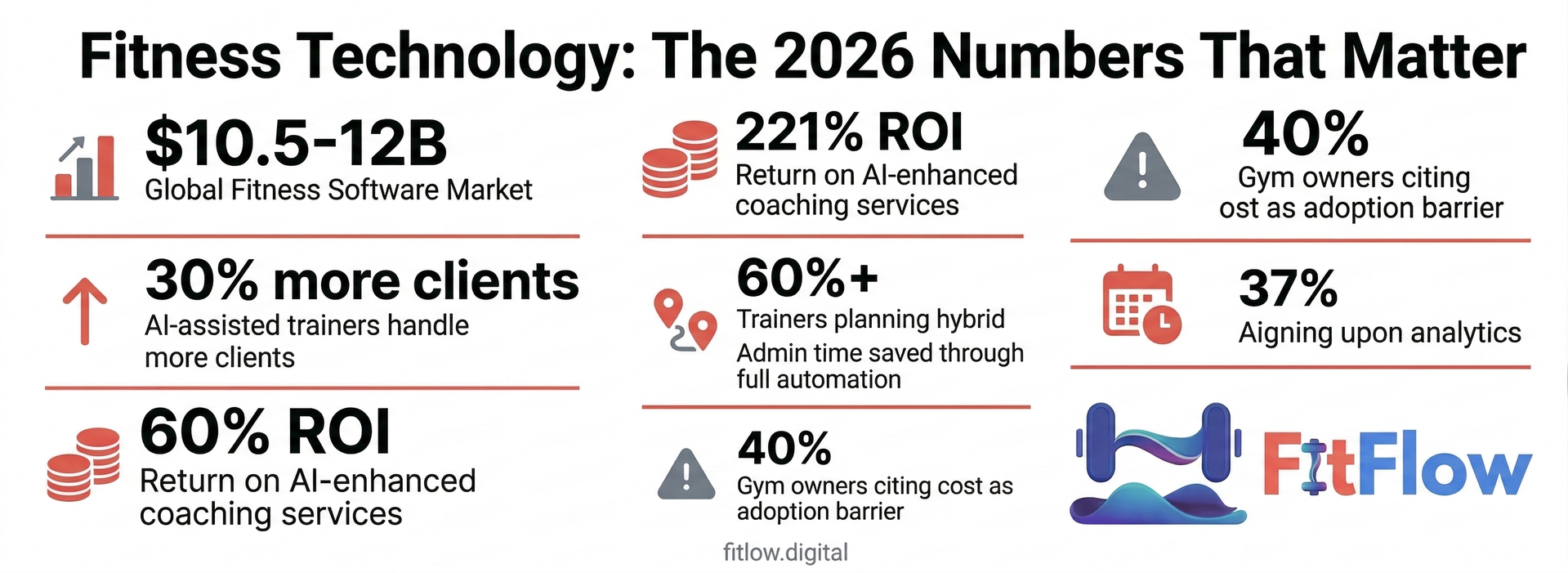
Addressing the Real Barriers
Barrier | % Affected | Practical Solutions |
|---|---|---|
High initial costs | 40% | Start with lower-tier plans, prove ROI before upgrading |
Integration difficulties | 40% | Choose platforms with strong ecosystems, plan migration carefully |
Learning curve | 35% | Focus on one feature at a time, use available training resources |
Client resistance | 25% | Gradual introduction, emphasize how it benefits their experience |
Time to implement | 30% | Block dedicated setup time, treat as investment not expense |
A Structured Evaluation Framework
Step 1: Needs Assessment
What are your biggest time drains?
Where do clients experience friction?
What features are non-negotiable for your coaching style?
What is your realistic monthly budget?
Step 2: Feature Prioritization
Rank must-have vs. nice-to-have features
Consider growth needs over the next 12-24 months
Evaluate integration requirements with tools you already use
Step 3: Trial and Testing
Use every available free trial (most offer 14-30 days)
Test with 2-3 real clients if possible
Evaluate both trainer AND client experience -- not just the admin side
Step 4: Total Cost Analysis
Monthly subscription at your expected scale
Per-client fees as you grow
Add-on features you will actually need
Payment processing fees
Time cost of implementation (often underestimated)
Migrating from Spreadsheets to Software
Phase 1 (Weeks 1-2): Foundation
Select platform and complete account setup
Import existing client list
Configure basic program templates
Set up payment processing
Phase 2 (Weeks 3-4): Client Transition
Onboard existing clients in batches (5-10 at a time)
Provide clear instructions and support
Maintain spreadsheet backup during transition
Gather feedback and adjust
Phase 3 (Weeks 5-8): Optimization
Implement automation workflows
Refine templates based on real usage data
Explore advanced features
Retire spreadsheet systems
Common Mistakes to Avoid
Over-automating to the point that service feels impersonal
"Set and forget" syndrome: Assuming automation always works without regular auditing
Not customizing templates: Using generic content that sounds robotic to clients
Surprise switching: Changing platforms without communicating with clients first
Automating broken processes: Making inefficiency faster does not fix the underlying problem
10. Building Your Technology Stack
Core Platform Selection
Your program management platform is the foundation. Selection criteria, in priority order:
Client capacity needs (current and projected over 12-24 months)
Feature depth vs. simplicity preferences for your coaching style
Pricing model alignment with your business model
Integration ecosystem for complementary tools
Mobile experience quality (your clients live on their phones)
Recommended Tech Stack by Business Stage
Solo Trainer (1-15 clients) -- Budget: $20-75/month
Program management: FitFlow, PT Distinction Basic, or My PT Hub
Payments: Stripe or platform-integrated
Communication: Platform messaging + email
Scheduling: Platform-integrated or Calendly
Growing Practice (15-50 clients) -- Budget: $100-250/month
Program management: FitFlow, PT Distinction Pro, Trainerize Grow, or TrueCoach
Payments: Platform-integrated with automated billing
Communication: Platform messaging + video calls
Scheduling: Acuity or platform-integrated
Marketing: Mailchimp or ConvertKit
Small Gym/Studio (50+ members) -- Budget: $300-700/month
Management: FitFlow, Mindbody, ABC Glofox, or WellnessLiving
Program delivery: May be integrated or a separate platform
Payments: Comprehensive billing automation
Marketing: ActiveCampaign or HubSpot
Analytics: Platform-native plus custom dashboards
Integration Strategy
Essential Integrations:
Payment processor connected to management platform
Calendar connected to scheduling system
Exercise library connected to program builder
Communication tools connected to CRM
High-Value Integrations:
Wearables connected to progress tracking
Nutrition apps connected to client profiles
Marketing automation connected to client data
Accounting software connected to payment records
11. Virtual and Hybrid Training Technology
The Post-COVID Reality Has Become Permanent
Over 60% of trainers plan to offer hybrid training, while roughly 20% plan to work primarily online. Trainers who embrace online delivery tend to earn more than their in-person-only peers, reflecting the scalability advantages of digital delivery.
The hybrid model -- combining in-person sessions with online coaching -- has become the dominant approach for maximizing both client results and trainer revenue.
Platform Requirements for Virtual Training
Video Delivery:
High-quality exercise demonstration videos
Live video session capability (Zoom integration or native)
Asynchronous video messaging
Form check video submission and review
Program Delivery:
Mobile-optimized workout displays
Offline access for gym sessions (essential -- gyms have poor WiFi)
Real-time feedback on completion
Progress syncing across devices
Hybrid Model Impact
Metric | In-Person Only | Hybrid Model | Direction |
|---|---|---|---|
Client capacity | 20-30 clients | 50-80 clients | Significant increase |
Geographic reach | Local only | Global | Unlimited |
Revenue per hour | $50-100 | $75-150 | Higher |
Membership renewal | Baseline | Higher than in-person only | Positive |
Best Practices for Hybrid Delivery
Video Quality: Invest in a 1080p webcam, ring light, and wireless microphone. Clients judge professionalism by video quality.
Asynchronous Feedback: Clients film lifts; trainers respond with voice-over analysis. This is often more valuable than live sessions for technique correction.
Tiered Pricing Structure:
Tier 1 (Digital Only): ~$150/month -- App programming + monthly check-in
Tier 2 (Hybrid): ~$350/month -- App + 2x in-person sessions per month
Tier 3 (Premium): ~$800/month -- App + 2x weekly sessions + nutrition coaching
12. The Future of Fitness Technology (2026-2030)
Trends Worth Watching
AI Maturation:
More sophisticated program personalization based on larger training datasets
Better integration of biometric data for real-time adjustments
Voice-based coaching interactions for hands-free guidance
Predictive injury prevention based on load and recovery patterns
Wearable Evolution:
Continuous glucose monitoring moving toward mainstream adoption
Blood pressure monitoring in smartwatches
Improved sleep and recovery algorithms with validated accuracy
Real-time workout optimization based on biometric feedback
AR/VR Fitness:
Apple Vision Pro and Meta Quest bringing immersive fitness experiences
Virtual training environments that could eventually replace video calls
3D form correction in virtual space
AR glasses overlaying workout instructions during sessions
Platform Consolidation:
Fewer, more comprehensive platforms
Better native integrations reducing the need for third-party connectors
Reduced tool fragmentation
Larger companies acquiring specialized tools
What to Do Now to Prepare
Master your current platform completely before adding new tools
Establish consistent data collection practices now -- they will pay dividends as AI improves
Build hybrid delivery capabilities regardless of your current model
Stay informed on AI developments without chasing every new trend
13. Implementation Framework
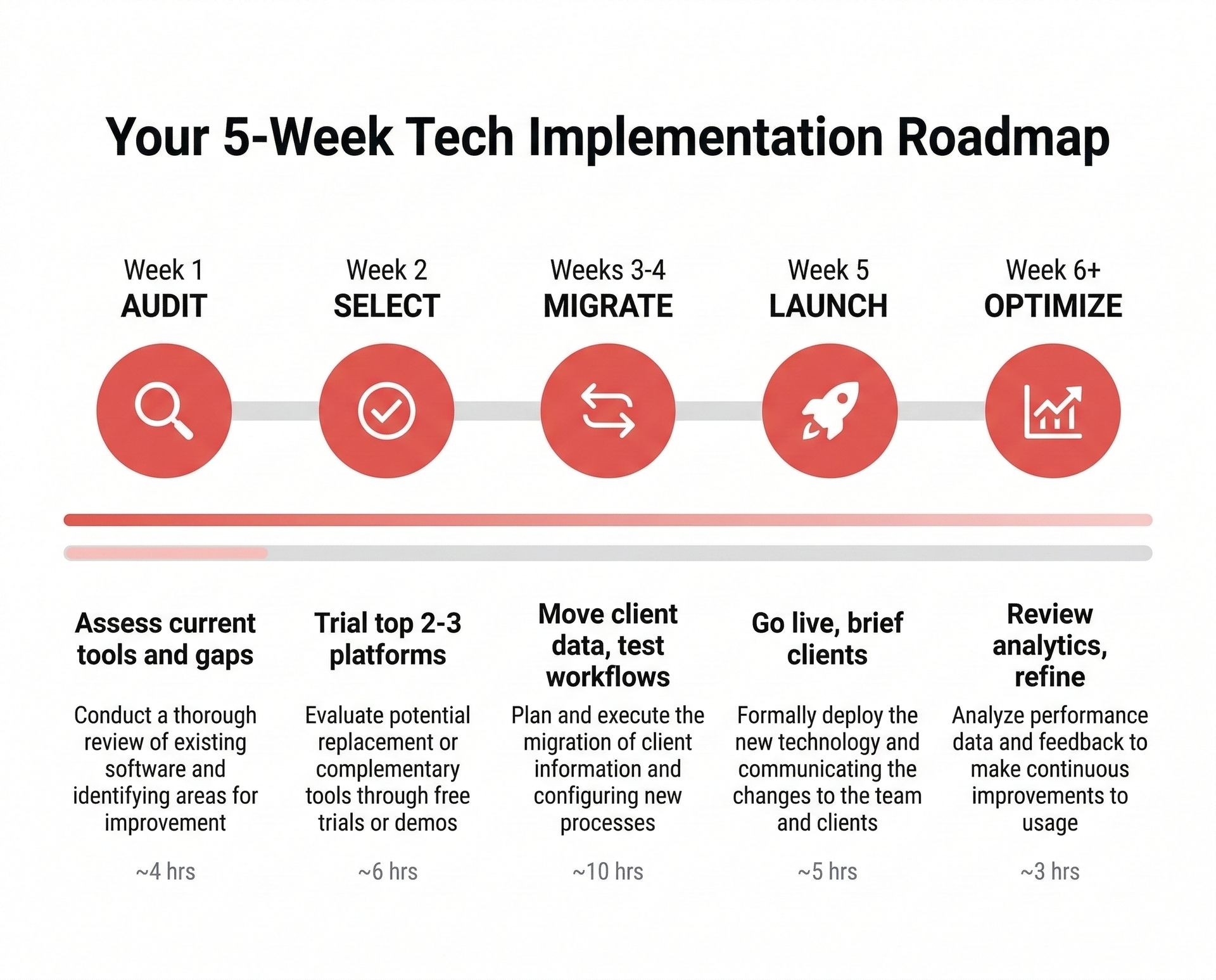
30-Day Technology Adoption Roadmap
Week 1: Assessment and Selection
Audit current tools and identify pain points
Define must-have features based on your actual workflow
Research 3-5 platforms that match your requirements
Start free trials
Week 2: Platform Setup
Complete account configuration
Import existing client data
Set up payment processing
Create initial program templates
Week 3: Client Transition
Onboard 5 pilot clients
Gather feedback and adjust configuration
Refine client-facing materials
Document your processes for consistency
Week 4: Optimization
Implement your first automation
Onboard remaining clients
Monitor key metrics (time saved, client feedback)
Plan next feature adoption
Software Evaluation Checklist
Before committing to any platform, answer these questions:
Does it solve your biggest pain point?
Can you afford it at your projected scale (not just today's client count)?
Is the mobile experience genuinely good for clients?
Does it integrate with your essential existing tools?
What is the realistic learning curve?
What support resources are available (documentation, chat, community)?
What do verified reviews say about reliability and uptime?
Is the company financially stable with a clear product roadmap?
ROI Tracking Framework
Track Monthly:
Time spent on admin tasks (hours)
Client capacity (number of active clients)
Revenue per client
Client retention rate
New client acquisition cost
Calculate Quarterly:
Platform cost vs. time savings value (use your hourly rate as the benchmark)
Revenue increase attributable to technology adoption
Client satisfaction trends
Efficiency improvements
Conclusion: Technology as Infrastructure, Not Expense
The fitness technology transformation is not approaching -- it has arrived. Trainers and gym owners who embrace integrated platforms, use data analytics to inform decisions, and implement intelligent automation are building fundamentally different businesses than those relying on manual methods.
What the evidence supports:
30% more client capacity with AI-assisted tools
Measurable retention improvements with systematic tracking
700+ hours per year saved through comprehensive automation
Strong ROI from technology-enhanced coaching services
FitFlow's position in this landscape is distinct: as a software company built specifically for fitness professionals, we understand both the technology and the training. This dual perspective enables features and insights that generalist platforms cannot match -- particularly in programming effectiveness analytics and data-driven coaching optimization.
Disclosure: FitFlow is our product. The comparisons in this guide are based on publicly available information as of March 2026. We have attempted to represent all platforms fairly, but we encourage you to conduct your own evaluation using the frameworks provided.
Your next steps:
Assess your current technology gaps using this guide's frameworks
Trial 2-3 platforms that align with your needs and budget
Commit to one platform and invest time mastering it completely
Layer in automation and analytics progressively
Continuously measure ROI and adjust
The professionals who will thrive in 2026 and beyond are those who view fitness technology for professionals not as an expense line item, but as the infrastructure that enables scale, quality, and sustainable business growth.
Consult a healthcare professional before starting any new exercise or nutrition program. The information in this guide is intended for fitness business decision-making and does not constitute medical advice.
Appendix A: Platform Comparison Matrix
Platform | Starting Price | Max Clients (Base) | Custom App | Nutrition | Wearables | Analytics | Best For |
|---|---|---|---|---|---|---|---|
FitFlow | Contact | Scalable | Yes | Yes | Advanced (Native API) | Deep (Retention/LTV) | Data-driven coaches |
PT Distinction | $19.90/mo | 3-50 | Included | Yes | Moderate | Strong | All-inclusive features |
ABC Trainerize | $0/mo | Varies | $250/mo tier | Yes | High (Apple/Fitbit) | Basic | Nutrition + habits |
TrainHeroic | $45/mo | Unlimited | No | No | Limited | Moderate | Teams and S&C |
TrueCoach | Varies | Varies | No | Via MFP | Limited | Minimal | Simple 1-on-1 |
My PT Hub | $48/mo | Unlimited | Yes | Yes | Moderate | Basic | Budget scaling |
Everfit | Modular | Varies | Add-on | Yes | High | Moderate | Automation + UX |
Mindbody | $169/mo | Unlimited | Yes | Limited | Moderate | Strong | Enterprise gyms |
ABC Glofox | $100/mo | Unlimited | Yes | Limited | Moderate | Moderate | Mid-market studios |
WellnessLiving | $89/mo | Unlimited | Yes | Limited | Moderate | Best-in-class gym | Large facilities |
Appendix B: Technology Glossary
API (Application Programming Interface): Allows different software systems to communicate and share data automatically.
Churn Rate: Percentage of clients who cancel their membership or service in a given period.
CRM (Customer Relationship Management): Software for managing client interactions, communications, and data in one place.
HRV (Heart Rate Variability): Measure of variation in time between heartbeats, used as an indicator of recovery readiness.
LTV (Lifetime Value): Total revenue expected from a client over their entire relationship with your business.
MRR (Monthly Recurring Revenue): Predictable revenue from subscriptions each month.
Periodization: Systematic planning of athletic training, dividing programs into specific blocks with distinct goals.
SaaS (Software as a Service): Cloud-based software accessed via subscription rather than one-time purchase.
RPE (Rate of Perceived Exertion): Subjective measure of exercise intensity on a 1-10 scale.
Autoregulation: Programming strategy where training adjusts dynamically based on daily readiness indicators like RPE or HRV.
Research Citations
Straits Research. (2024). Personal Training Software Market Size, Share & Growth Graph by 2033.
GlobeNewswire. (2025). Fitness & Wellness Software Market Outlook & Forecast 2025-2030.
Technavio. (2025). Gym Management Software Market to Grow by USD 201.5 Million (2025-2029).
LLC Buddy. (2024). Personal Training Software Statistics 2025.
Create.fit. (2025). 13 AI Personal Training Statistics.
GITNUX. (2024). Personal Training Industry Statistics.
IDEA Health & Fitness. (2024). Online Training and the Post-Pandemic Fitness Landscape.
G2. (2025). Best Personal Training Software Reviews.
Capterra. (2025). Best Personal Trainer Software.
TrueCoach. (2024). Choosing the Right Personal Training Software.
Hexfit. (2024). Personal Trainer Spreadsheet to Software.
Institute of Personal Trainers. (2024). AI Tools for Personal Trainers.
Trainerize. (2024). AI for Personal Trainers.
FitBudd. (2024). Hybrid Personal Training: The Future of Fitness.
Grand View Research. (2025). Fitness Apps Market Size & Share | Industry Report, 2033.
FitnessAI. (2024). GlobeNewswire Android Launch Announcement.
ABC Fitness. (2025). ABC Trainerize Business Launch Press Release.
Athletech News. (2025). Virtuagym Launches AI Fitness Coaching Tool.
RunRepeat. (2024). Fitness Industry Statistics 2021-2028.
This guide was produced by FitFlow's content team. Last updated March 2026.